The two-year war in Tigray between 2020 and 2022 is estimated to have cost between 600,000 and 800,000 lives, making it one of the bloodiest wars in the 21st century, and yet, shockingly, it has gone largely unreported by Western media. Whilst the ceasefire is still holding, the region remains very tense and, by all accounts, there is the ever-present possibility of the conflict re-starting. The trauma is very deep and the journey out of the war will be long and painful. There are over 1 million people displaced in the region and 1.2 million children are not back at school. Human trafficking is common. Back in July last year Bishop Tesfaselassie, whose eparchy (diocese) covers the entire region, was able to visit Ireland and gave this honest, and yet inspiring, interview about the aftermath of the war and the challenges faced by the Church.
On a more positive note, conditions are slowly improving. The sisters at Dawhan report that a key transportation route which had been closed since the outbreak of war has officially reopened. This has eased the cost of transportation and the trouble of long hours on the road to Adigrat and is a huge relief to the entire community.
In the Amhara region fighting continues and the Government is struggling to maintain order. Movement within the region is highly restricted, and the volatile security situation involves opportunistic crime and armed men attacking vehicles on major roadways. However, the fighting seems to be mainly outside the city of Bahir Dar, and has not really affected the operation of the Blessed G Michael school.
The UK Foreign, Commonwealth & Development Office (FCDO) advises against all travel to the entire Amhara regional state, which means that we are still having to wait for the opportunity to re-visit our old friends in the country.
The other significant development in the last year has been the very substantial inflation, particularly affecting salaries, that took place. This has been a big shock to the finances of all the schools, but it has been mitigated by a big fall in the value of the local currency which has made our contribution especially valuable. Salaries are typically 70-80% of the school budgets, and our donations cover between 30% and 80% of this cost, depending on the school. We were pleased to be able to increase our regular level of support this year by approximately 15%, due to our strong reserves position and the continuing support of our regular donors, to whom we are immensely grateful.
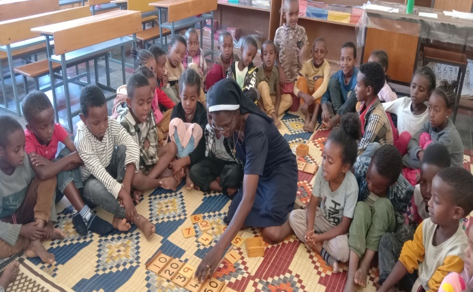
Communications remain challenging in the war-affected regions, but we have received reports from all of the remaining schools, showing that they are continuing to operate at levels similar to those achieved before the war and even invest in improvements.
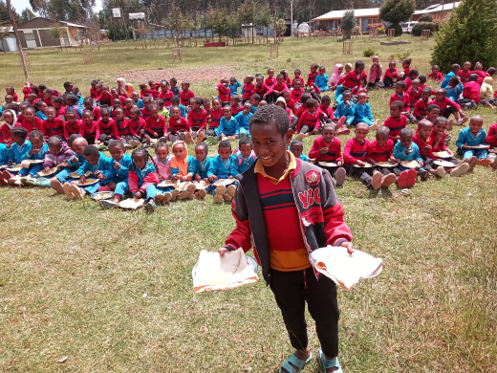
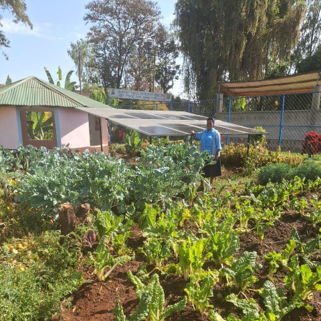
Some of the key developments have been the completion of a new water tower at Dawhan, the installation of a new borehole and solar powered irrigation system at Bahir Dar, and the construction of two new Kindergarten classrooms and a ‘mini-Hall’ at Zizencho.
However, the continuing needs are great, with priorities being improving the availability of computer equipment and, at Bahir Dar, rebuilding old and increasingly dilapidated classrooms. This latter project, costing around £30,000 per building, is too big for the Jean Grove Trust’s resources, but we would be very happy to talk to anyone who feels they would like to contribute.
In the words of Sister Woynitu: “We humbly ask if you could share this vision with your contacts or other donors who might be moved to help, even with a modest contribution. Every euro brings us closer to a school where children can thrive safely and where your support continues to transform lives.”


